Cat5e Cable Repair and Upgrade Planning:
Legacy Gigabit, PoE Heat, Repair-and-Document.
Cat5e was the commercial standard from roughly 2000 to 2015 and is still the most common cable we encounter in older NYC buildings. Gigabit-capable to 100m and 2.5 Gbps-capable under IEEE 802.3bz, but not rated for 10G, and large bundles run warm under high-power PoE. Deprecated for new installs but repair and maintenance work on existing Cat5e plants is a significant share of our cabling repair volume.
Why Cat5e Is Still Relevant
Cat5e was the commercial standard from roughly 2000 to 2015 and remains the most common cable in NYC older buildings. For gigabit office networks, legacy PoE endpoints, and voice systems, Cat5e continues to meet spec and does not need replacement.
The service story is lifecycle. Cat5e that was pulled 15-20 years ago is now being asked to carry multi-gigabit links (2.5 or 5 Gbps) from 10G-capable switches, high-power PoE endpoints, and modern cameras. These demands often exceed what Cat5e was designed for, and the service work is identifying which runs are overloaded and either accepting the limitation or planning upgrade.
Cat5e is certified to ANSI/TIA-568.2-E Category 5e and we Fluke-test to that class on repair work. For office networks and voice systems the cable continues to serve adequately.
The Cat5e Service Categories
Standard copper, patch cables, legacy PoE endpoints, outdoor variants.
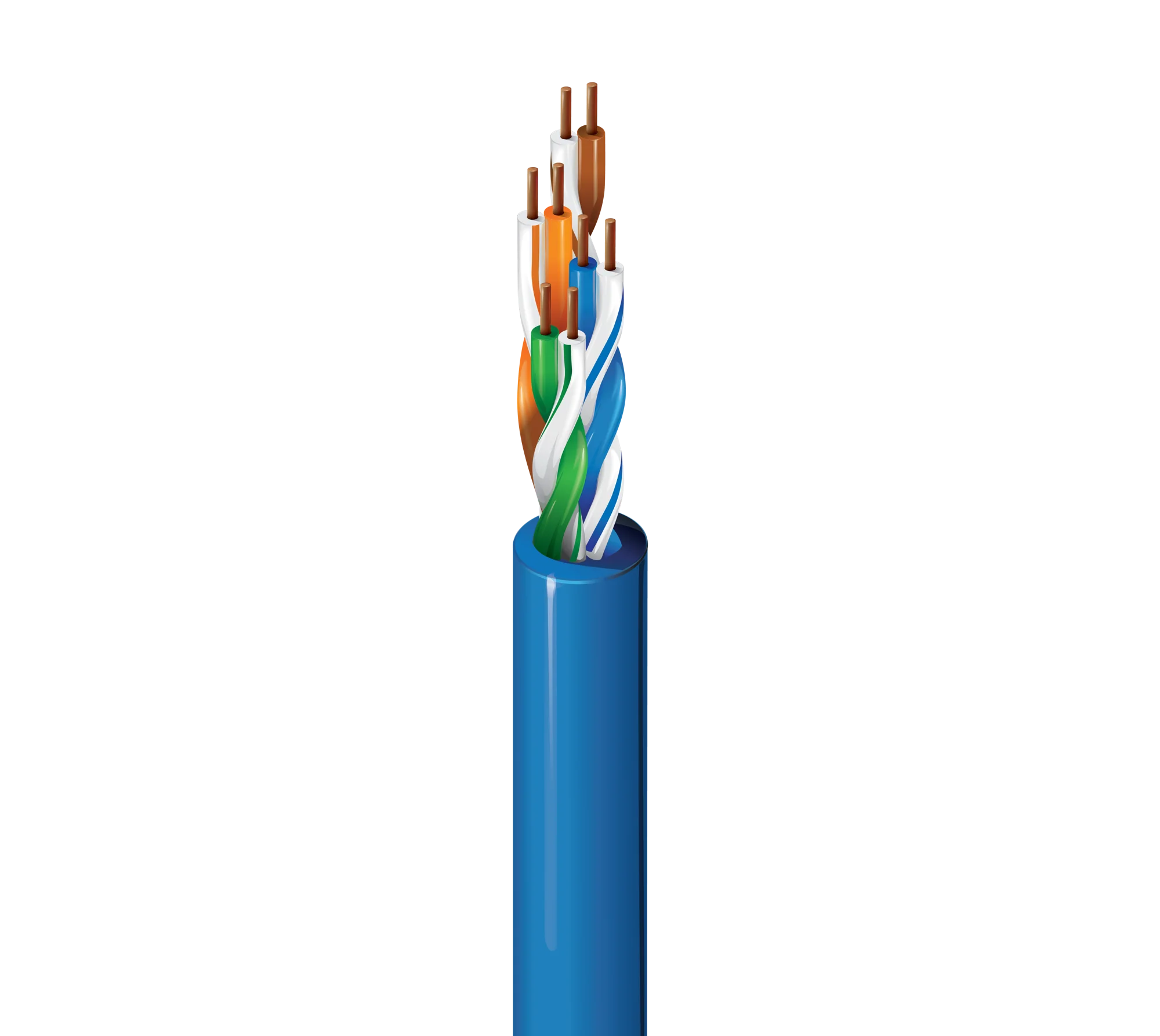
Standard 24 AWG U/UTP Cat5e
The baseline. Still produced and still being pulled in budget residential and small-office installs where gigabit is enough.
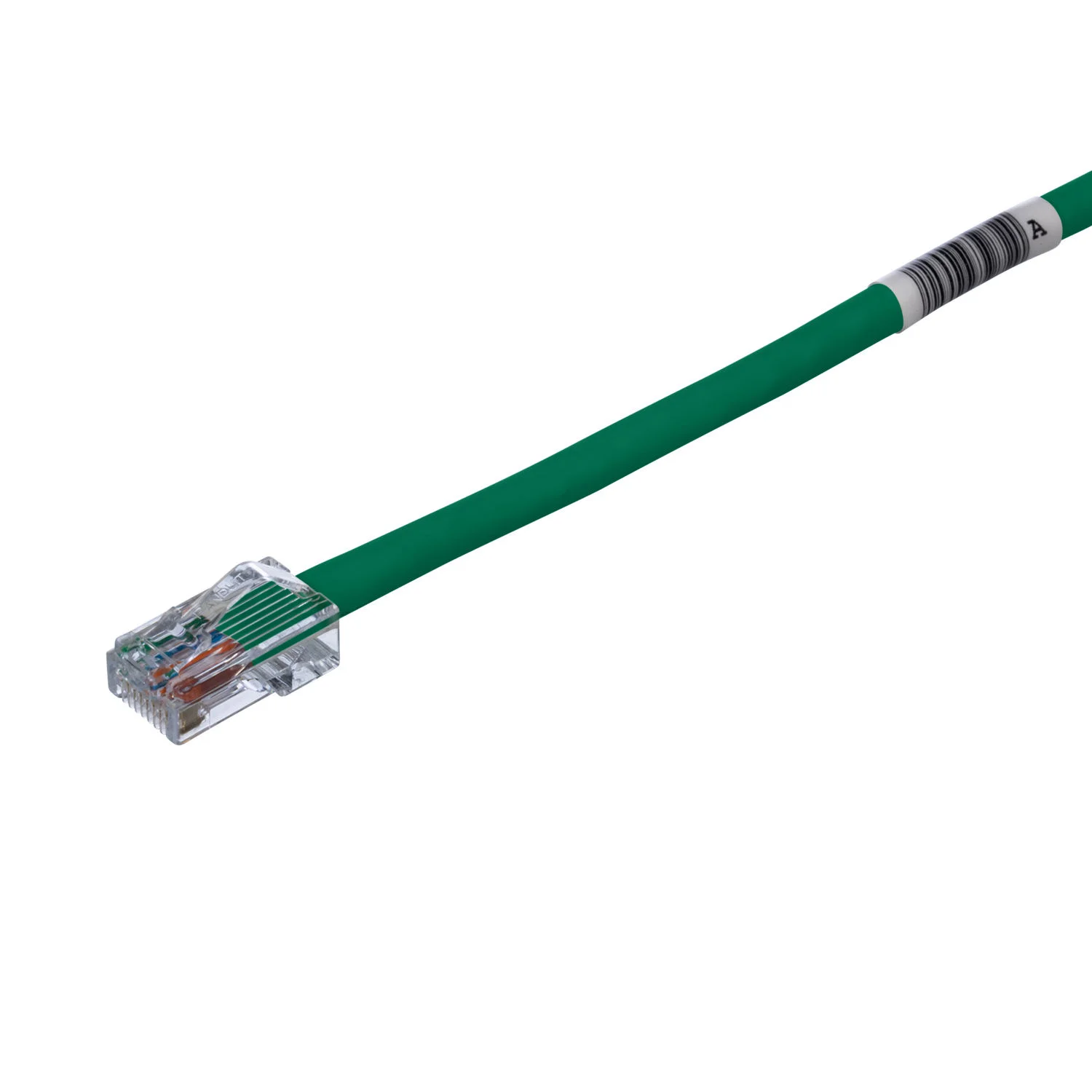
Cat5e patch cables
Factory-terminated short runs between patch panel and switch. Stranded conductor for flex tolerance. Still appropriate on gigabit networks.
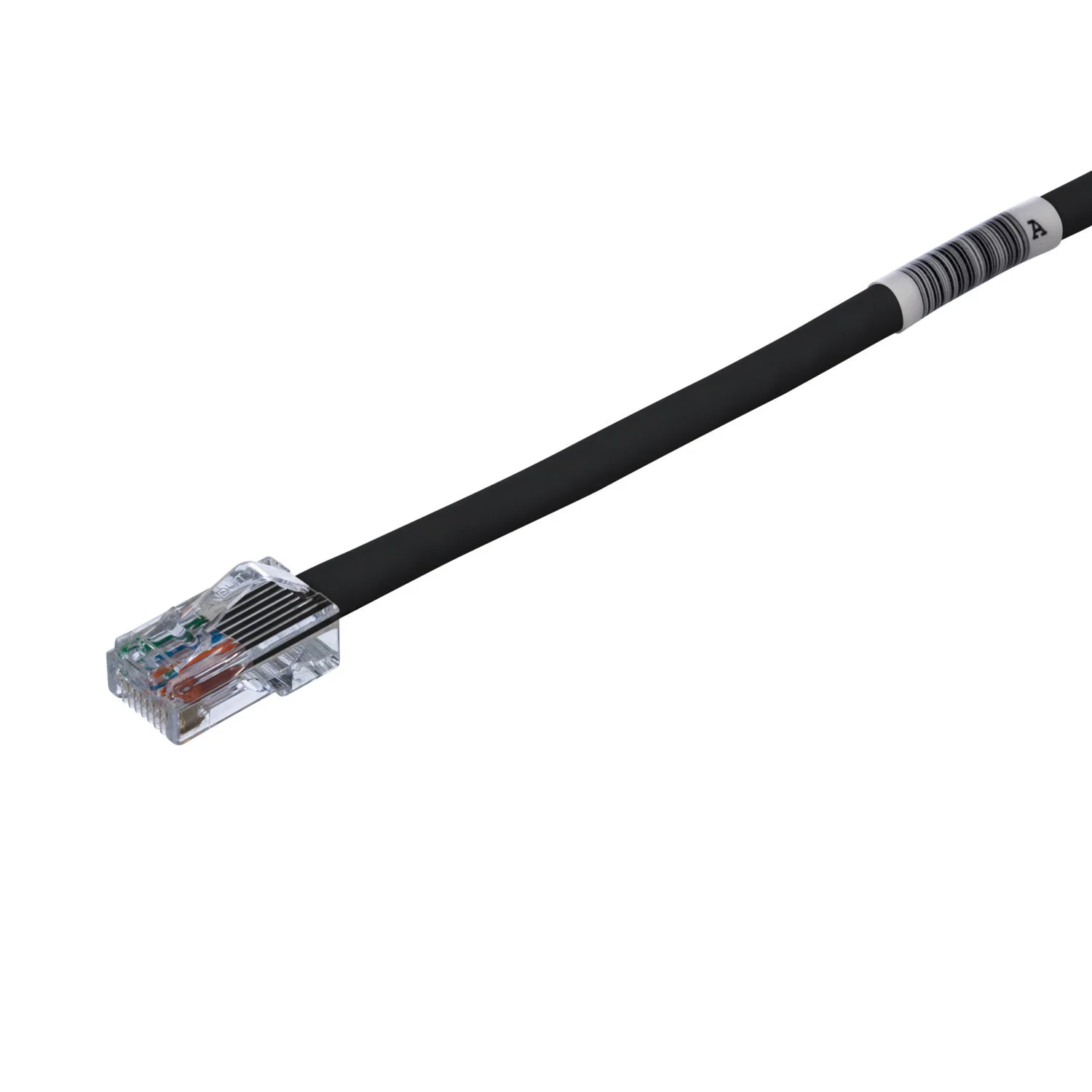
Legacy Cat5e PoE devices
Older IP cameras, phones, and APs that predate PoE+ were specified for Cat5e. These runs still work for the device they were sized for.
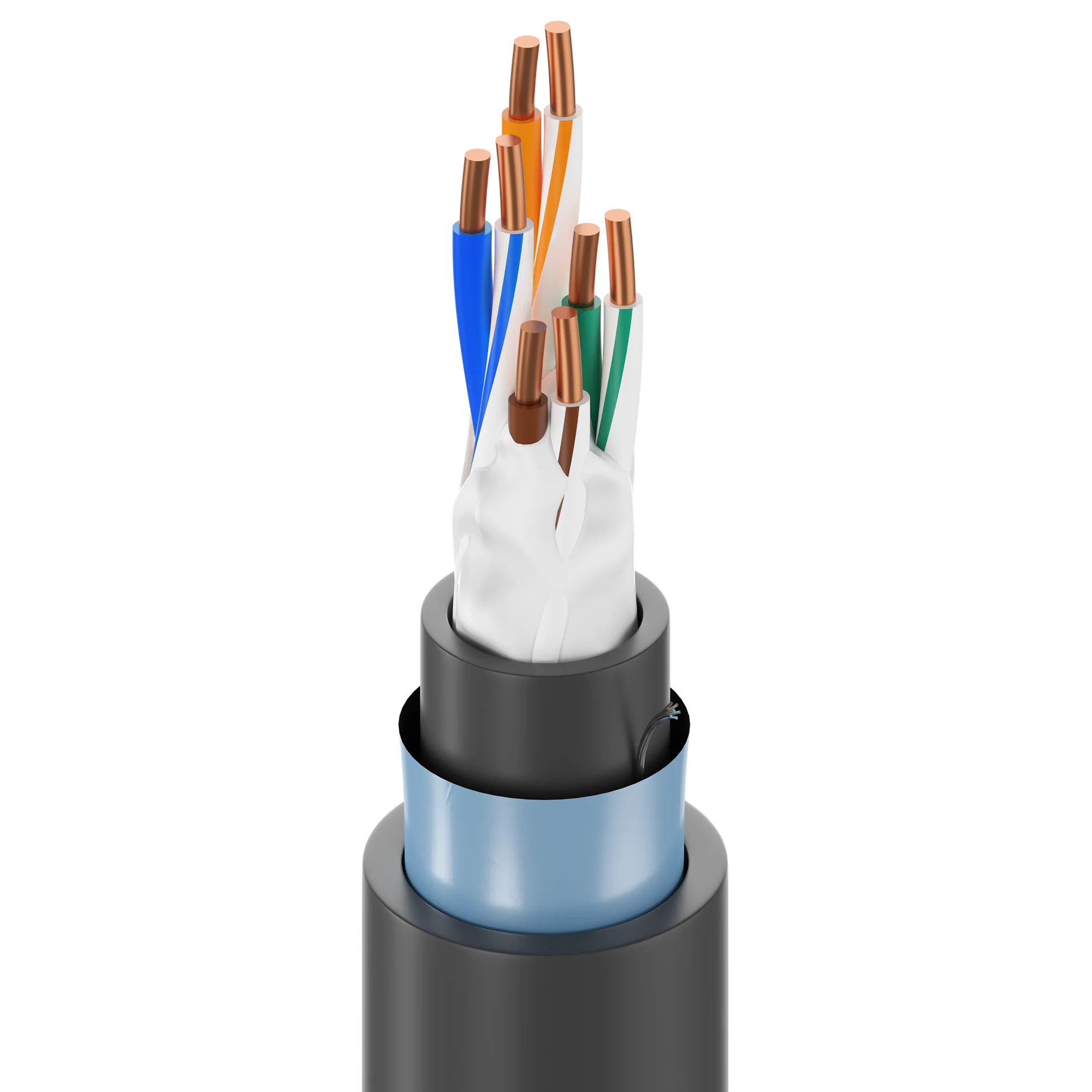
Outdoor and gel-filled Cat5e
Cat5e variants with waterproof jacketing for outdoor runs to cameras, access control, and gate operators. Still common in NYC on exterior pulls where cost dominates.
What We Find in the Field
Cat5e failures cluster around overload from upgraded endpoints, aging terminations, and plenum issues.
Being asked to carry speeds it was never designed for
Cat5e supports 1 Gbps and, under IEEE 802.3bz, 2.5 Gbps to 100m. 5 Gbps targets Cat6, and 10GBASE-T is not supported on Cat5e. Older or poorly terminated runs may fall back to a lower speed, so we test each run.
Affects: Office upgrades where switch gear leapfrogged the cable plant
High-power PoE heat in large bundles
IEEE 802.3bt allows 60W and 90W PoE on Cat5e, but large Cat5e bundles run hotter than Cat6A. In tightly packed bundles or hot ceilings, the heat can push the cable past its temperature rating and raise signal loss.
Affects: Legacy Cat5e runs upgraded with modern PoE+ or PoE++ endpoints
Aging IDC terminations loosening
Cat5e terminations punched down 15-20 years ago develop corrosion and loosened IDC contact over time, especially in buildings with HVAC humidity variation. Shows up as intermittent link flap.
Affects: Pre-2010 commercial installs, buildings without climate-controlled closets
Mixed Cat5e and Cat6 in the same panel
Patch panels where some drops are Cat5e and others are Cat6 are common in buildings that did partial upgrades. Documentation almost never reflects which is which, so troubleshooting a slow drop means toning each run and testing to its actual spec.
Affects: Buildings that upgraded in phases, inherited cable plants
Non-plenum cable in plenum spaces
We often find CMR (riser) jacketed cable run through return-air plenum spaces in older installs. That does not meet code; we flag it and replace it when the run is touched.
Affects: Pre-2005 installs in older commercial buildings
The Service Specifics
Cat5e is certified to ANSI/TIA-568.2-E Category 5e and we Fluke-test to that class on repair work. Appropriate for gigabit office networks, legacy voice systems, and most PoE and PoE+ endpoints.
Not the right choice for new installs where 10G or dense high-power PoE is on the roadmap. We flag Cat5e plants being asked to do more than they were designed for and give an honest cost comparison for repull vs patch.
Older Wiring in NYC Buildings
True Cat5 and earlier wiring still occasionally in NYC commercial.
True Cat5 (non-e) from the 1990s
Still occasionally found in older NYC buildings. Gigabit Ethernet was designed for Cat5, but older Cat5 was never tested for the extra parameters gigabit needs, so each run should be tested before it carries 1 Gbps.
Mixed Cat5 and Cat5e installations
No documentation of which runs are Cat5 and which are Cat5e. Requires toning and testing per run to identify.
Hybrid phone-plus-data wiring
Early-2000s installs where two pairs served voice and two served data on the same cable. Still functional for the limited purpose but cannot support modern networking.
If Your Specific Problem Is...
For a specific Cat5e symptom.
Cat5e Cable FAQ
Legacy Cat5e Plant Need Service? We Re-Terminate and Plan Upgrades.
Fluke certification testing, legacy plant documentation, selective upgrade planning. Licensed and insured.