Singlemode Fiber Repair & OTDR Testing:
OS2 10km Reach, Carrier Handoff, Campus Runs.
OS2 is the long-reach fiber standard. 9/125 micron fiber that carries 10G to 10km with LR optics and 40km with ER optics, with longer reaches on specialized optics. In NYC commercial we use OS2 for campus runs between buildings, carrier handoff from the demarc to the equipment closet, and future-proof backbone where multimode distance is marginal.
Where Singlemode Fits in NYC
OS2 is the current singlemode fiber standard per ANSI/TIA-568.3-E. 9/125 micron, with a yellow jacket on indoor cable, supporting 10 Gbps to 10km, 40G and 100G with appropriate optics, and longer carrier-grade runs with specialized optics. Lower per-foot cost than high-grade multimode in long runs.
In NYC commercial we use OS2 for three primary applications: inter-building campus runs where copper cannot cross property boundaries, carrier handoff from Verizon or Spectrum demarcs to the equipment closet, and backbone runs where multimode distance is marginal. Dark fiber leases from major carriers also follow this pattern.
The service story centers on OTDR trace quality, pigtail splice loss, and APC/UPC connector mismatch. We OTDR-test every singlemode repair with distance, insertion loss, and splice-loss documented in PDF reports.
The Singlemode Service Categories
OS2 backbone, connector polishes, pigtails, carrier handoff, inter-building.
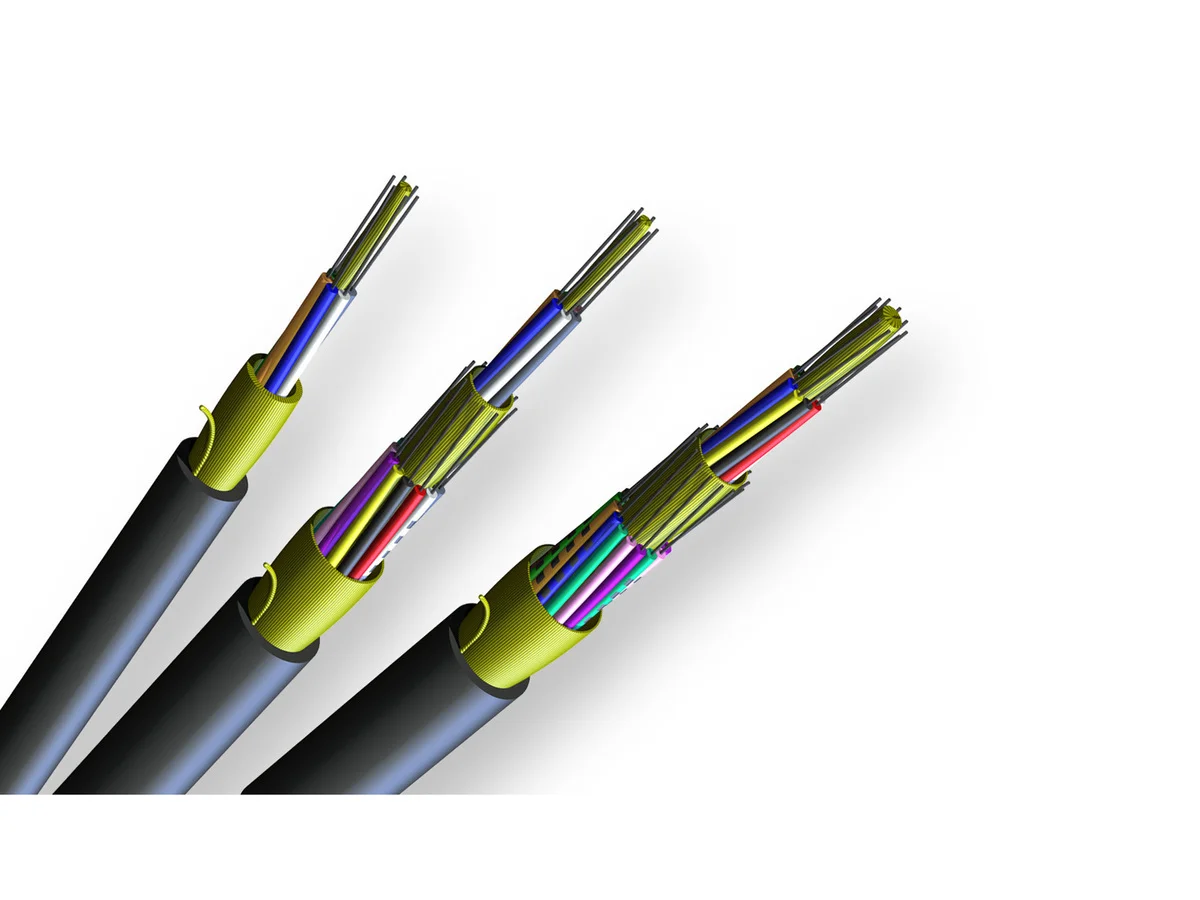
OS2 single-mode backbone
9/125 micron, yellow jacket on indoor cable, current singlemode standard per ANSI/TIA-568.3-E. Supports 10G to 10km, 40G and 100G with appropriate optics.
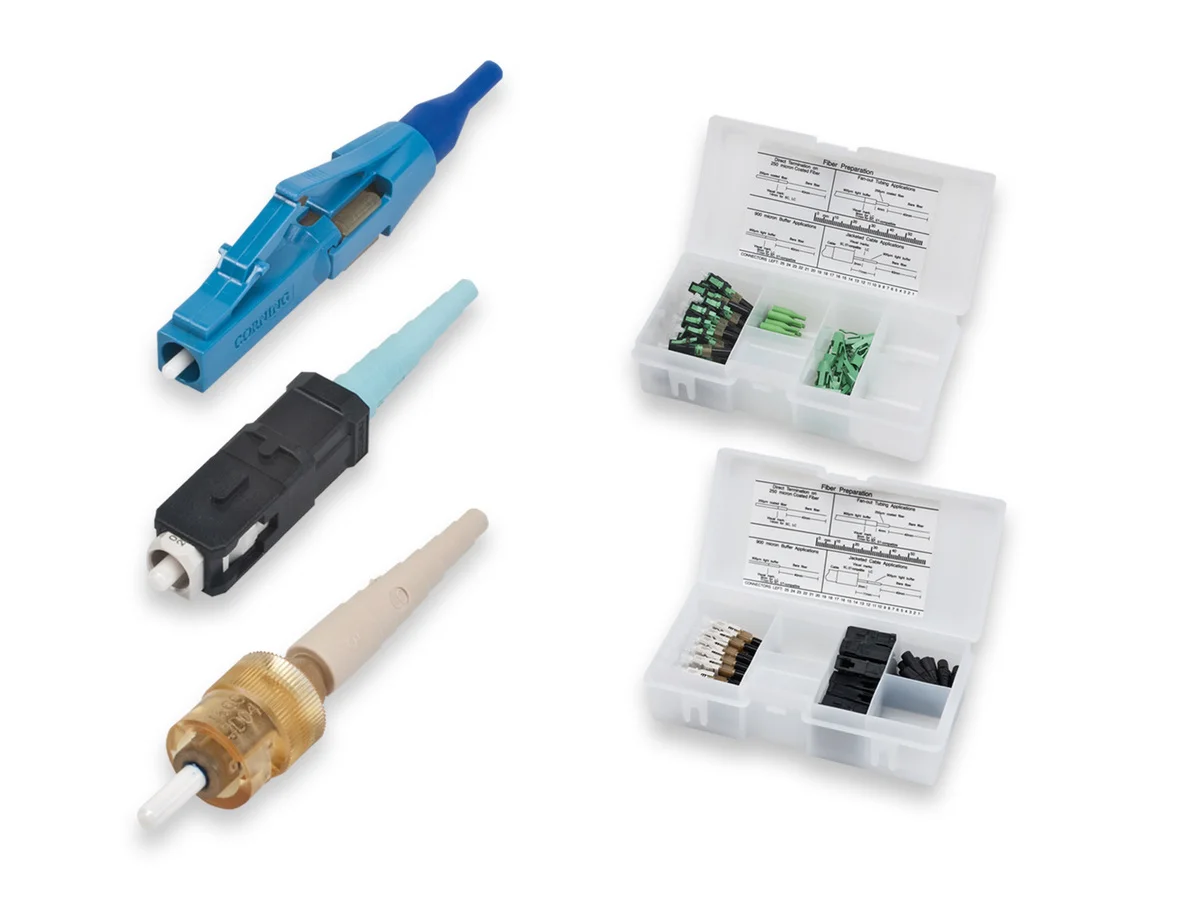
LC/APC and LC/UPC connectors
Singlemode uses angle-polished (APC, green boot) or ultra-polish (UPC, blue boot) ferrules. APC and UPC connectors cannot be mated: the result is high loss, strong reflection, and possible damage to the end faces. Site standardization matters.
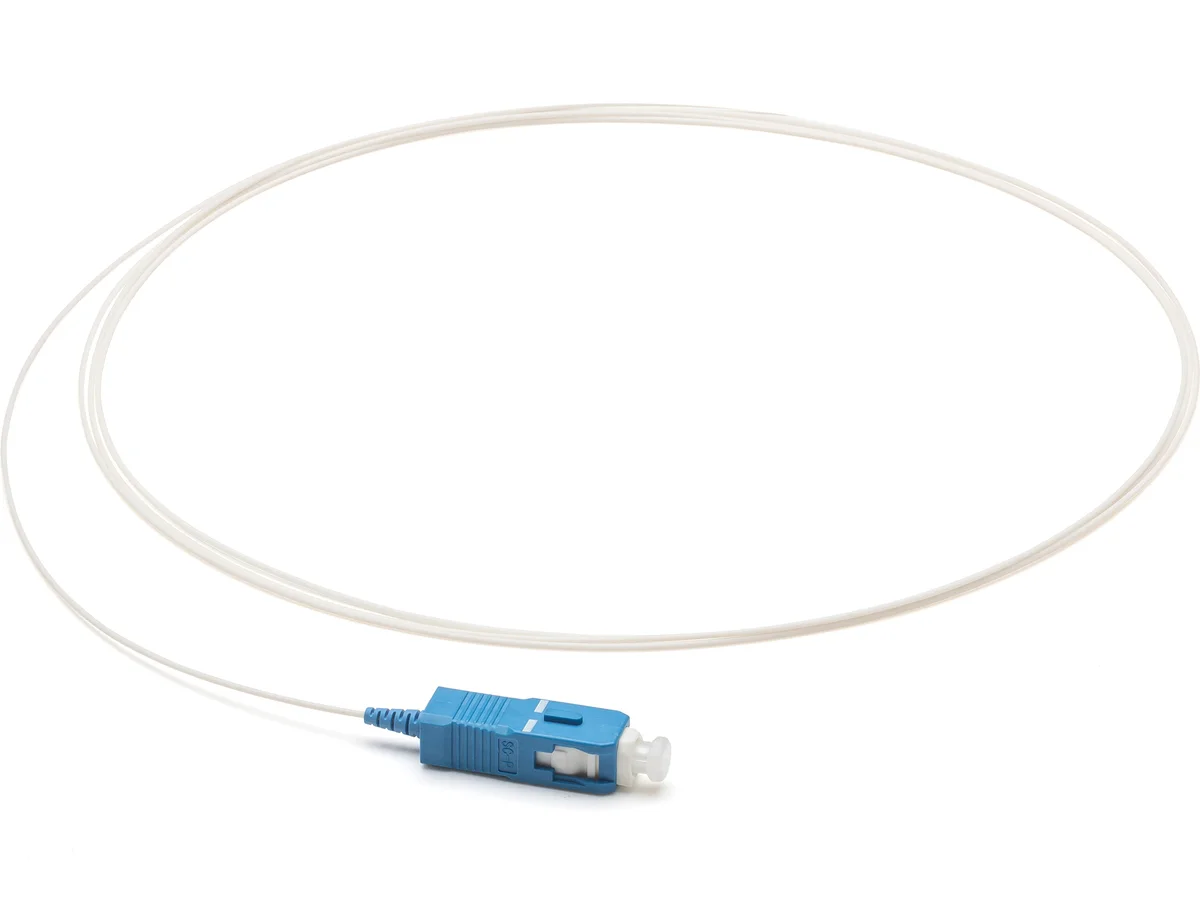
Pigtails for splice-on-panel
Pre-terminated short fibers spliced to the backbone cable inside a splice tray. Standard install pattern for singlemode in NYC commercial because field termination at the connector itself is slow and loss-prone.
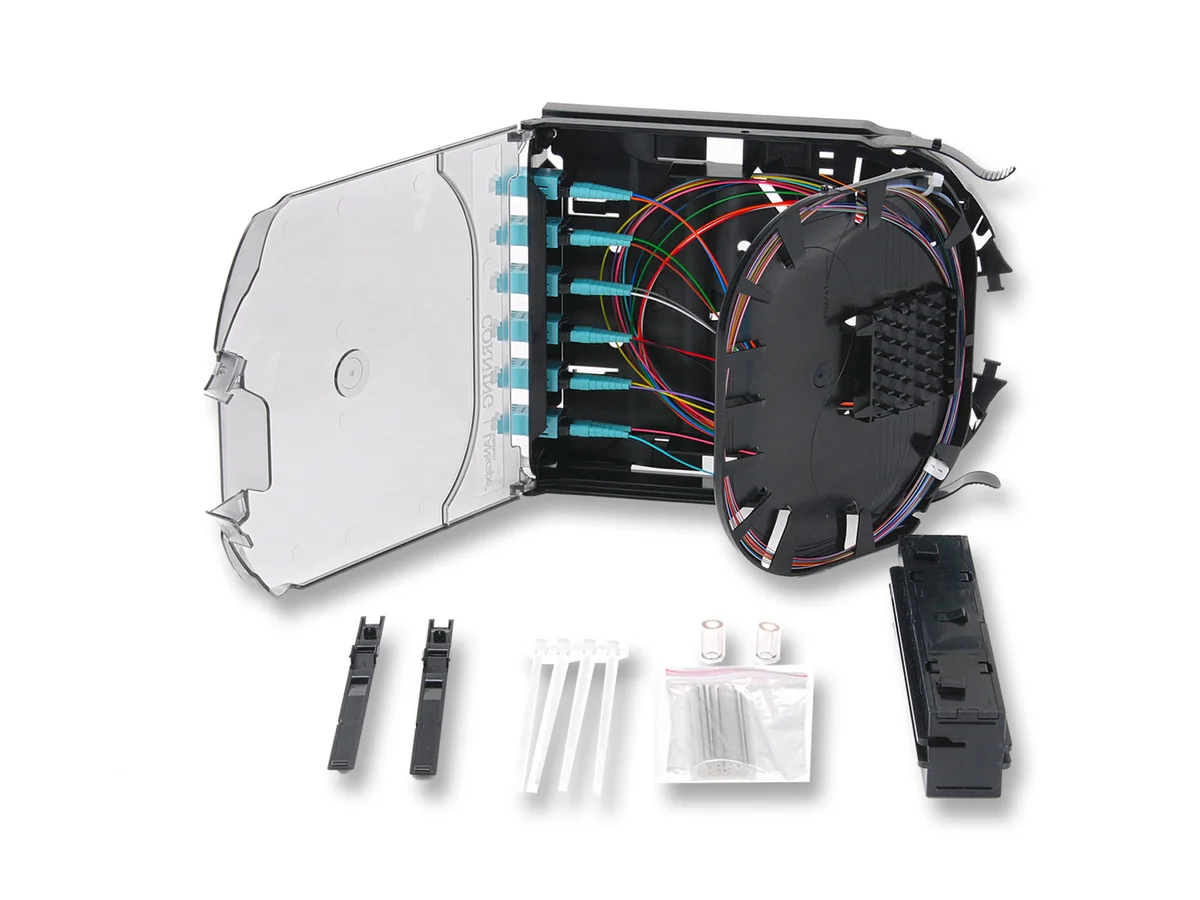
Carrier handoff and dark fiber
Verizon, Spectrum, Zayo, and other NYC carriers hand off fiber at building demarcs that we terminate and route to the equipment closet. Dark fiber leases follow the same pattern.
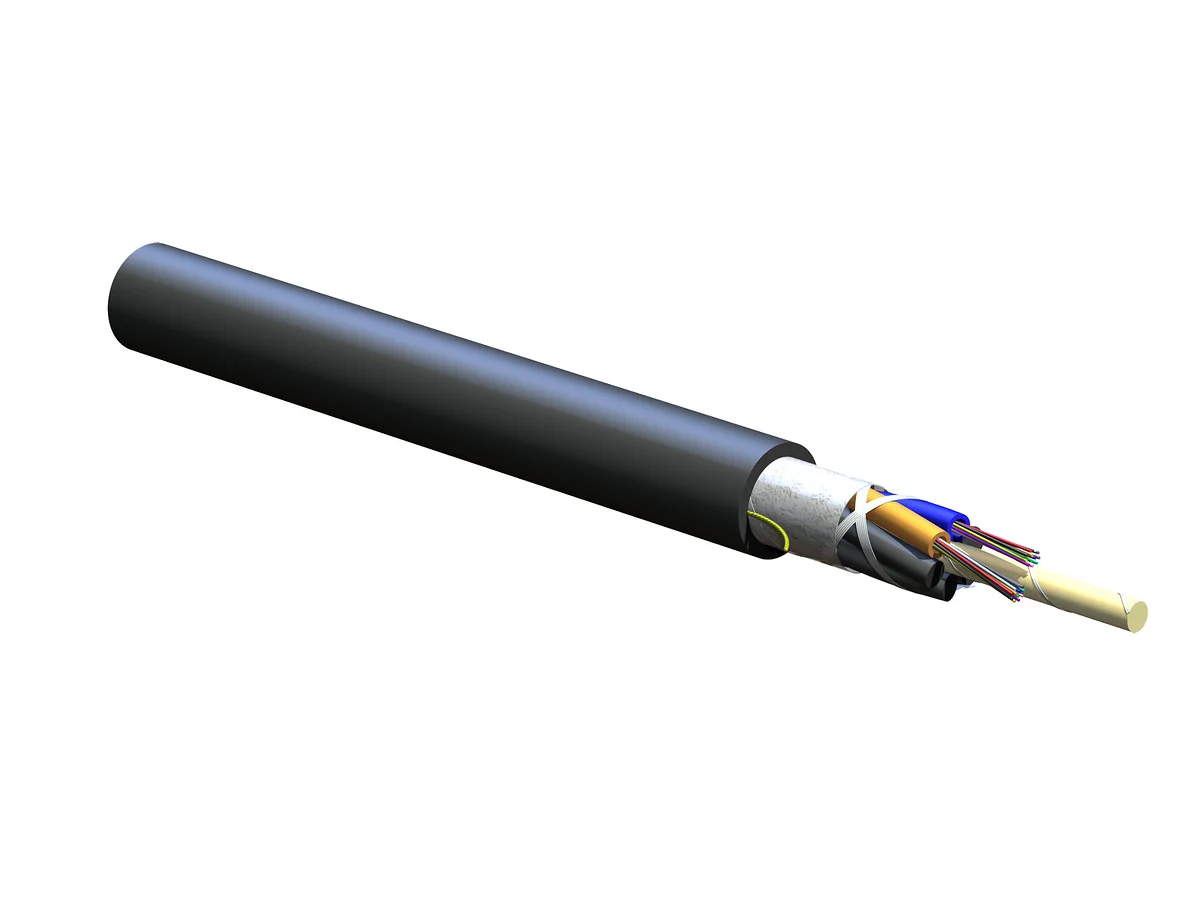
Inter-building campus runs
Direct-burial or aerial OS2 fiber between buildings on a campus. Replaces copper that cannot cross property boundaries safely and extends past multimode distances.
What We Find in the Field
Singlemode failures cluster around splice loss, APC/UPC mismatch, and macrobend sensitivity.
Pigtail splice loss out of spec
Good fusion splices typically come in under 0.1 dB. We find splices at or above the 0.3 dB TIA limit on fiber jobs where the splicer was not maintained or fiber ends were not cleaved properly. OTDR trace catches each one.
Affects: Field splice jobs, backbone installs by inexperienced splicers
APC/UPC connector mismatch
Angle-polished and ultra-polished connectors cannot be mated. Forcing them produces high loss and strong reflection that drive errors, and can damage the end faces. Site documentation should specify which polish is standard across the whole plant.
Affects: Mixed-vendor fiber plants, inherited installs
OTDR trace required for distance verification
Visual inspection cannot verify a long singlemode run end-to-end. We OTDR every singlemode repair with distance, splice-loss, and total insertion-loss documented in a PDF.
Affects: Any singlemode repair over roughly 500m
Macrobends at splice closures
A fiber coiled tighter than its rated bend radius in a splice tray, or routed around a sharp corner, loses signal at that point. Older G.652 fiber is rated at 30mm; bend-insensitive G.657.A1 fiber tolerates tighter bends.
Affects: Splice tray prep, cable routing in constrained pathways
End-face contamination on long-run patch
Even a trace of dust on an LC/APC end-face can drop a 10G singlemode link to intermittent errors. End-face inspection with a scope is standard practice before any mating on a long run.
Affects: Carrier handoff panels, backbone patch panels in dusty IDFs
Wrong wavelength optic in the SFP
Both ends of a link need matched optics: the same type (for example 10GBASE-LR at 1310nm) on a duplex pair, or a matched BiDi pair. A mismatched pair will not link reliably. We verify SFP compatibility before pulling or splicing fiber where optics have already been chosen.
Affects: Carrier handoff setups, long-distance point-to-point links
The Service Specifics
OS2 is the current singlemode standard per ANSI/TIA-568.3-E. We OTDR-test every singlemode repair, delivering distance, insertion loss, and splice-loss PDFs.
Appropriate for inter-building runs, carrier handoffs, dark fiber provisioning, and any run over roughly 500m where multimode becomes marginal. For in-building backbones under 400m, OM4 multimode is usually the more cost-effective choice unless 40G/100G is confirmed on the near-term roadmap.
Pre-OS2 Install Base
Legacy singlemode still in some NYC buildings.
Older OS1 single-mode
Older OS1 (now OS1a) tight-buffered singlemode, rated for higher loss per kilometer than OS2. Still present in some older buildings. We identify and plan migration to OS2 for buildings extending backbone capability.
Multimode-to-singlemode converters
Common at older building demarcs where the carrier upgraded but the interior plant did not. We rework the demarc for direct singlemode termination.
If Your Specific Problem Is...
For a specific singlemode symptom.
Singlemode Fiber FAQ
Singlemode Fiber Need Repair? We Fusion-Splice and OTDR-Test.
OS2 backbone, carrier handoff, dark fiber, inter-building. OTDR certification included. Licensed and insured.