Cat6 Cable Repair, Termination, and Testing:
23 AWG U/UTP Default Commercial Standard.
Cat6 is the default copper standard for commercial data drops installed in NYC from the mid-2010s onward. Supports 1 Gbps at 100m and 10 Gbps up to 55m, and is certified to ANSI/TIA-568.2-E. That covers most office drops but not longer runs or dense data closets. We terminate, repair, and Fluke test Cat6 across NYC commercial.
Where Cat6 Lives in NYC Commercial
Cat6 is the default commercial cable standard for NYC office drops installed from 2015 onward. The spec supports 1 Gbps at the full 100m channel and 10 Gbps up to 55m, which is adequate for the overwhelming majority of office drops but not for longer runs or dense data environments.
The service story centers on termination quality rather than cable failure. Split pairs, untwisted conductors longer than the TIA-allowed 13mm at IDC punch, and reversed pairs are the most common failures we find during certification testing. Many Cat6 runs tested as installed never actually meet the spec; we identify these during repair work and re-terminate.
Cat6 remains the sensible default for most office drops where runs are under 55m and 10 Gbps is a future-proofing bet rather than a requirement. For runs over 55m or dense data environments, Cat6A is the right choice.
The Cat6 Service Categories
Across standard copper and shielded, plenum and riser, patch cables, and outdoor variants.

Standard 23 AWG solid U/UTP
The baseline Cat6 pulled through most NYC commercial ceilings. Solid-conductor 23 AWG for in-wall runs between IDF and wall plate. We terminate on 110-style keystones at both ends.
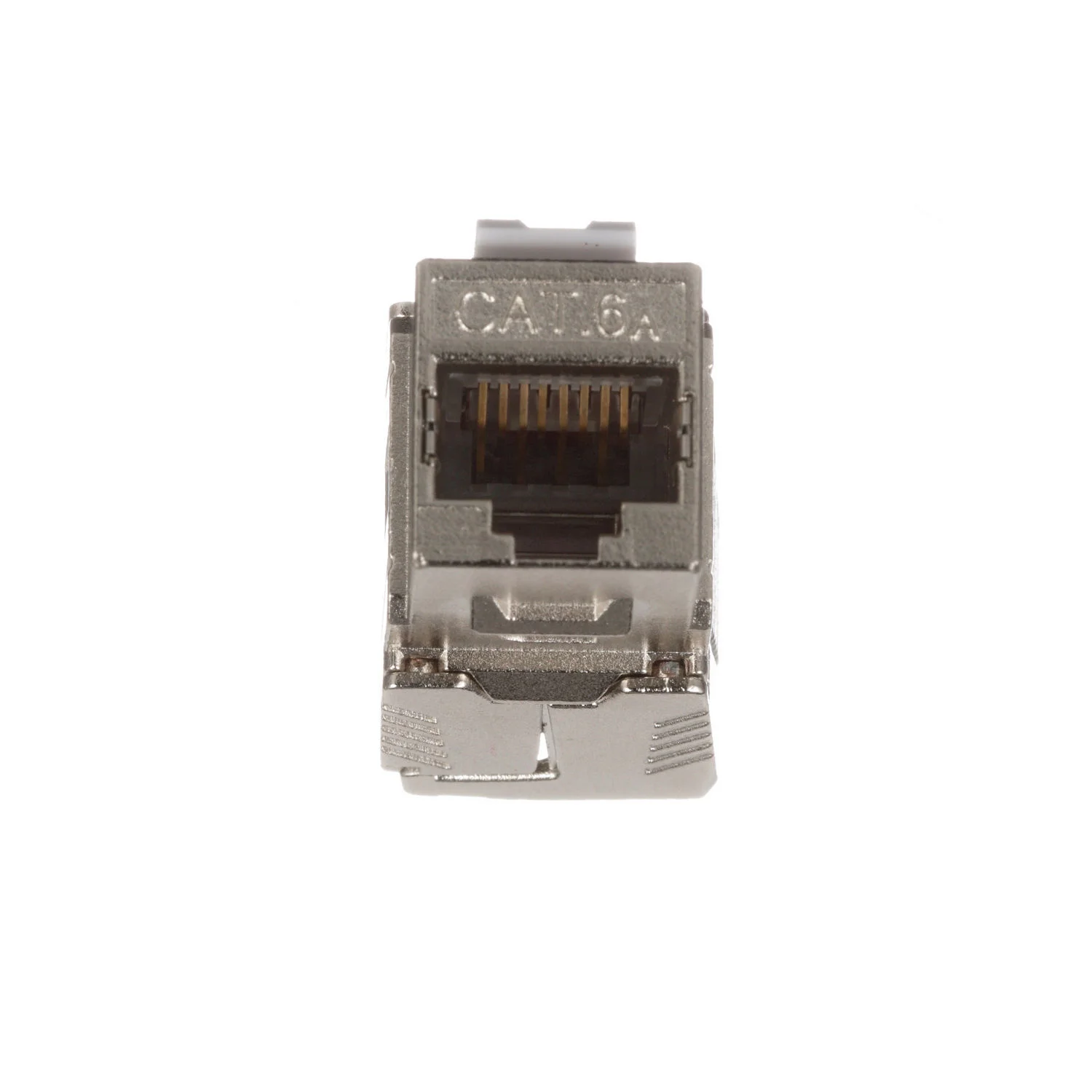
Shielded F/UTP and U/FTP
Shielded Cat6 for environments with heavy electrical noise, elevator shafts, or runs beside high-voltage conduit. Requires grounded shielded keystones and bonded patch panels to work as designed.
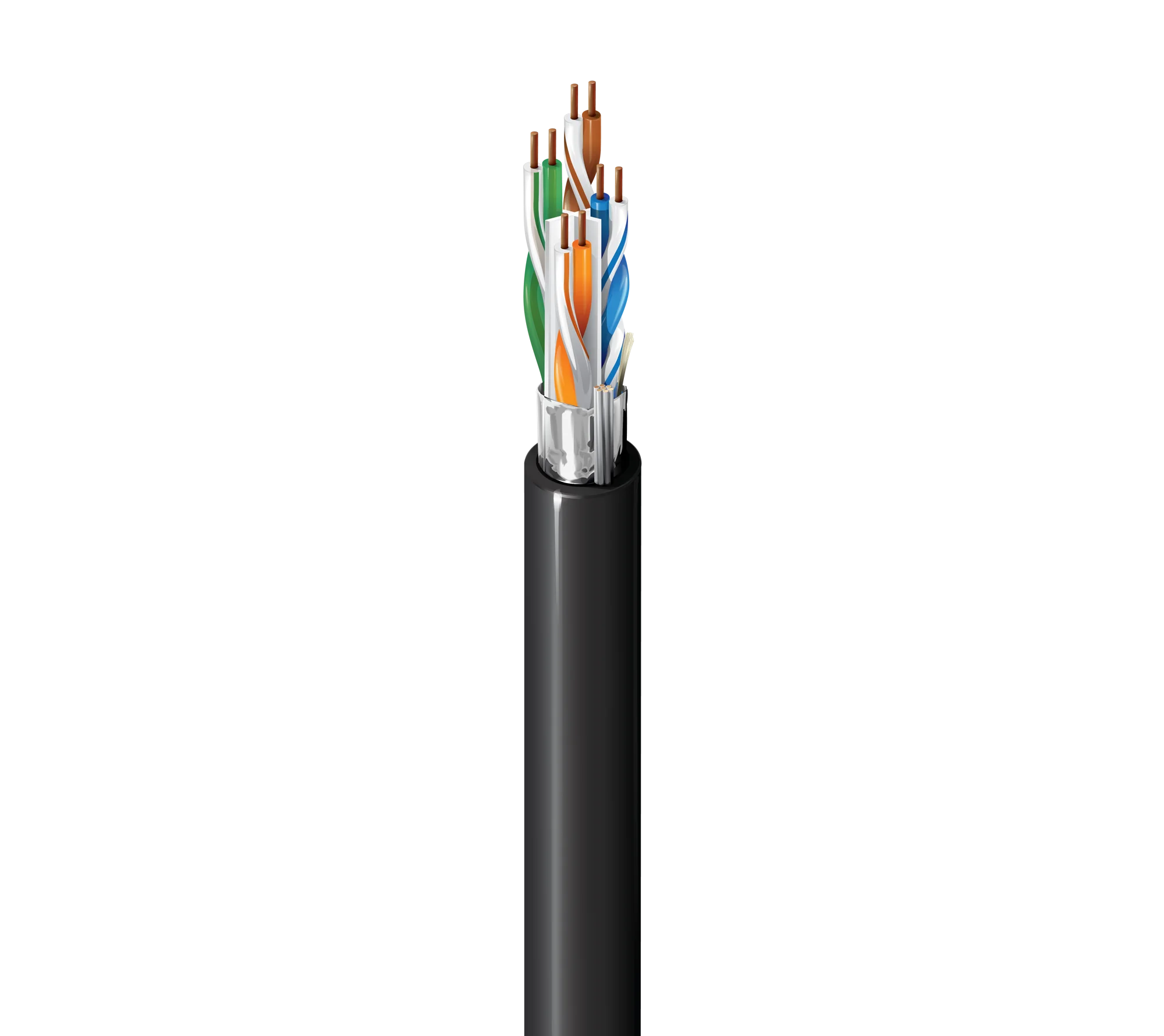
Plenum (CMP) vs riser (CMR) rated
Plenum-rated jacket is required in any space that handles return air in a commercial building. NYC inspectors check this on larger buildouts, and misrated cable has to come out.
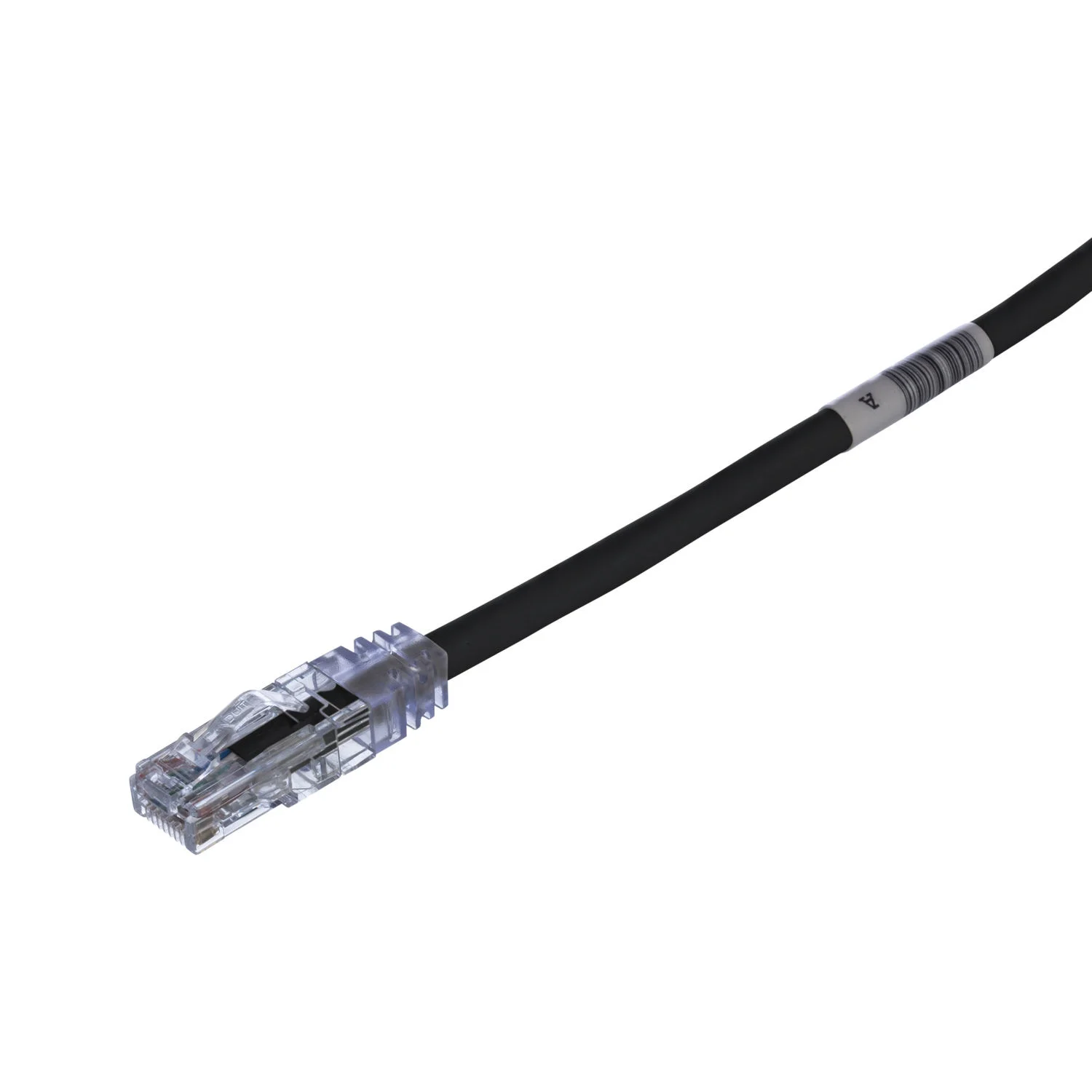
Patch cables (stranded 24 AWG)
Short stranded Cat6 between patch panel and switch, and between wall plate and workstation. Stranded conductors tolerate flex that solid in-wall cable cannot.
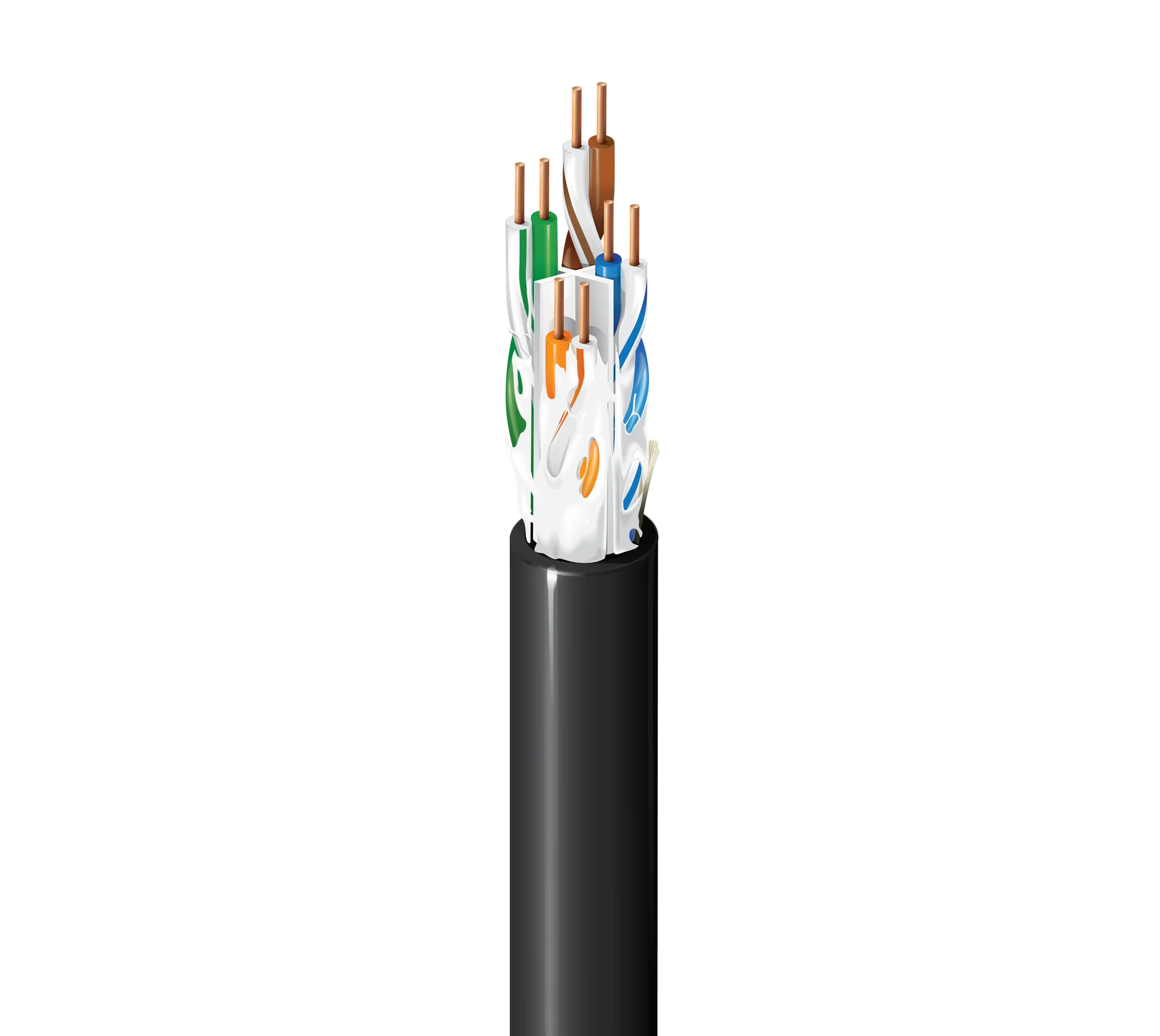
Outdoor and direct-burial Cat6
Gel-filled or dual-jacketed Cat6 for runs that exit the building envelope. Common between buildings on a campus or to pole-mounted cameras where fiber is not warranted.
What We Find During Testing
Cat6 failures cluster around termination errors, keystone mismatches, and distance overruns.
Termination errors at the wall plate
Split pairs, untwisted conductors longer than the allowed 13mm at IDC punch, and reversed pairs are the most common failures. Devices often negotiate 100M on a bad terminate instead of failing outright, which hides the problem until load spikes.
Affects: New terminations by non-certified technicians, DIY wall-plate work
Wrong keystone spec paired with the cable
Cat5e-rated keystones have been found on Cat6 runs, which caps the whole channel at Cat5e performance even though the cable itself is fine. Fluke certification catches this; visual inspection usually does not.
Affects: Mixed-era patch panels, buildings that upgraded cable without upgrading jacks
Exceeded 10G distance on a 10G link
Cat6 supports 10 Gbps only to 55m under TIA-568, not the full 100m channel. A 90m Cat6 run negotiating 10G will show intermittent packet loss as thermal headroom shrinks.
Affects: Longer drops in large commercial buildings, server rooms on far floors
Crosstalk from parallel unshielded runs
Large bundles of unshielded Cat6 running parallel for long distances experience alien crosstalk between adjacent cables. Shows up as degraded performance at the far end of the bundle.
Affects: High-density pulls through narrow conduit, large bundles above drop ceilings
Bend radius damage at the jack box
Cat6 has a minimum 4x cable diameter bend radius. Kinks at the jack box or where cable enters tight conduit permanently deform the twist geometry and cause insertion loss and return loss failures. Rarely visible from outside.
Affects: Tight-space installs, cable yanked during drywall or finish work
The Service Specifics
Cat6 remains the sensible default for most office drops where runs are under 55m and 10 Gbps is a future-proofing bet rather than a requirement. ANSI/TIA-568.2-E is the current certification spec; we Fluke-test every repaired or new run to that standard with a PDF report delivered.
For runs over 55m or dense data environments, Cat6A is the correct choice. For small-office drops under 30m where cost dominates, Cat5e is still appropriate but we flag the ceiling (1 Gbps, no PoE++). We walk the trade-off before quoting.
Early-Era Install Issues
Legacy Cat6 common in NYC commercial from early rollouts.
Early Cat6 from 2004-2008
Marketed as Cat6 but tests closer to Cat5e by current standards. We identify during certification testing and recommend re-pull or acceptance at Cat5e spec.
Non-plenum Cat6 in plenum spaces
Cat6 pulled in buildings before strict plenum enforcement, with CMR jacket in return-air plenum spaces that technically needs replacement.
Mixed Cat6 and Cat5e runs
Buildings that only upgraded some drops. Mixed runs on the same patch panel create troubleshooting confusion; documentation almost never reflects which is which.
If Your Specific Problem Is...
For a specific Cat6 symptom.
Dead Network Jack
Cat6 drop not passing data. Termination or run-level diagnostic.
Dead-jack repair → 02 / SymptomCable Cut, Crushed, or Damaged
Cat6 run physically damaged by construction or renovation.
Damage repair → 03 / SymptomCable Certification & Fluke Testing
Cat6 Fluke DSX certification testing for tenant improvement or compliance.
Cable certification testing →Cat6 Cable FAQ
Need Cat6 Repair or New Pulls? We will Terminate and Certify.
Fluke testing, standard commercial spec, plenum-aware, licensed and insured.